About

Saturday, November 15, 2025

ਸੋਵੀਅਤ ਸੰਘ ਅਲਵਿਦਾ


Файл:The Soviet Union 1990 CPA 6226 stamp (Vika Kudryavtseva. Clown).jpg

Soviet Union, Postage Stamp (1990)


ਉੱਤਰ-ਸੋਵੀਅਤ ਯੁਗ ਦੇ ਤਿੰਨ ਬੁਲਗਾਰੀਆਈ ਲਤੀਫ਼ੇ 

    1. 


    ਸਵਾਲ: ਮੋਮਬੱਤੀਆਂ ਦੀ ਵਰਤੋਂ ਸ਼ੁਰੂ ਕਰਨ ਤੋਂ ਪਹਿਲਾਂ, ਬੁਲਗਾਰੀਆਈ ਲੋਕ ਆਪਣੇ ਘਰਾਂ ਨੂੰ ਰੌਸ਼ਨ ਕਰਨ ਲਈ ਕੀ ਵਰਤਦੇ ਸਨ?


    ਜਵਾਬ: ਬਿਜਲੀ।


    2.


    ਸੋਫ਼ੀਆ ਵਿੱਚ ਅੱਧੀ ਰਾਤ ਨੂੰ ਇੱਕ ਔਰਤ ਅਚਨਚੇਤ ਚਿੱਲਾ ਉੱਠਦੀ ਹੈ। ਉਸਦੀ ਅੱਖਾਂ ਖ਼ੌਫ਼ ਨਾਲ ਭਰੀਆਂ ਹਨ। ਆਪਣੇ ਬਿਸਤਰ 'ਤੋਂ ਛਾਲ ਮਾਰ ਉਹ ਅਚਾਨਕ ਬਾਥਰੂਮ ਵੱਲ ਦੌੜਦੀ ਹੈ। ਤ੍ਰਭਕਿਆ ਹੋਇਆ ਉਸਦਾ ਪਤੀ ਉਸਨੂੰ ਵੇਖਦਾ ਹੀ ਰਹਿ ਜਾਂਦਾ ਹੈ।  ਉਹ ਬਾਥਰੂਮ 'ਚ ਆਪਣੀ ਦਵਾਈਆਂ ਦੀ ਅਲਮਾਰੀ ਖੋਲ੍ਹਦੀ ਹੈ। ਫਿਰ ਰਸੋਈ 'ਚ ਆਪਣੇ ਫ਼ਰਿੱਜ  ਦੀ ਪੜਤਾਲ ਕਰਦੀ ਹੈ। ਆਖ਼ਿਰ 'ਚ ਖਿੜਕੀ ਖੋਲ ਆਪਣੇ ਅਪਾਰਟਮੈਂਟ ਦੇ ਹੇਠਾਂ ਗਲੀ ਦਾ ਨਿਰੀਖਣ ਕਰਦੀ ਹੈ। ਫਿਰ ਡੂੰਘਾ ਸਾਹ ਭਰਦੀ ਹੈ ਅਤੇ ਵਾਪਸ ਬਿਸਤਰ 'ਤੇ ਆ ਜਾਂਦੀ ਹੈ।


    "ਅੜੀਏ, ਤੈਨੂੰ ਹੋਇਆ ਕਿ ਆ?" ਉਸਦਾ ਪਤੀ ਪੁੱਛਦਾ ਹੈ। 

    "ਮੈਨੂੰ ਬੜਾ ਡਰਾਉਣਾ ਸੁਪਨਾ ਆਇਆ ਸੀ," ਉਹ ਦੱਸਦੀ ਹੈ।  

    "ਮੈਂ ਵੇਖਿਆ ਸਾਡੇ ਕੋਲ ਦਵਾਈ ਦੀ ਕੋਈ ਕਮੀ ਨਹੀਂ ਸੀ, ਸਾਡਾ ਫਰਿੱਜ ਲੋੜੀਂਦੀ ਵਸਤਾਂ ਨਾਲ ਭਰਿਆ ਹੋਇਆ ਸੀ, ਅਤੇ ਬਾਹਰ ਸਾਡੀ ਗਲੀਆਂ ਸਾਫ਼-ਸੁਨੱਖੀ ਅਤੇ ਸੁਰੱਖਿਅਤ ਸਨ।"


    "ਭਲਾ ਇਹਦੇ 'ਚ ਡਰਨ ਦੀ ਕੀ ਲੋੜ ਸੀ?"


    ਔਰਤ ਸਿਰ ਹਿਲਾਉਂਦੀ ਇਕਦਮ ਕੰਬ ਜਾਂਦੀ ਹੈ। 


    "ਮੈਨੂੰ ਲਗਿਆ ਕਿਤੇ ਕਮਿਊਨਿਸਟ ਵਾਪਸ ਆ ਗਏ ਹਨ।"


    3.


    ਸਵਾਲ: ਕਮਿਊਨਿਜ਼ਮ ਦੀ ਸਭ ਤੋਂ ਮਾੜੀ ਚੀਜ਼ ਕੀ ਸੀ?


    ਜਵਾਬ: ਉਹੀ ਜੋ ਇਸਦੇ ਬਾਅਦ ਆਈ।


Kirsteen Ghodsee, Red Hangover: Legacies of Twentieth-Century Communism, 149.

Thursday, November 13, 2025

ਤਿਕੋਣਾਕਾਰ ਸੰਬੋਧਨ (2)


Devinder, "The Secret of the Pen": A Meeting with Amrita Pritam (Navyug, 1964) 


       ਅੰਮ੍ਰਿਤਾ-ਸੰਬੋਧਨ : ਇਕ ਟਿੱਪਣੀ

        ਅੰਮ੍ਰਿਤਾ-ਕਾਵਿ ਦਾ ਰੂਪਾਕਾਰ ਆਮ ਤੌਰ ਤੇ ਰਲਗਡ ਹੁੰਦਾ ਹੈ ਕਿਉਂਕਿ ਉਸ ਦੇ ਸੰਬੋਧਨ ਵਿਚ ਘਚੋਲਾ ਵਾਪਰਿਆ ਰਹਿੰਦਾ ਹੈ। ਕਾਵਿ-ਬਿੰਬ ਦੀ ਇਕਾਗਰਤਾ ਦਾ ਮੁਢਲਾ ਨਿਰਣਾ ਉਸ ਦੇ ਸੰਬੋਧਨ ਨੇ ਹੀ ਕਰਨਾ ਹੁੰਦਾ ਹੈ। ਅੰਮ੍ਰਿਤਾ-ਕਵਿਤਾ ਕਦੇ ਆਪਣੇ ਪ੍ਰਾਤਾਂ ਅਤੇ ਕਦੇ ਸਰੋਤਿਆਂ ਨੂੰ ਸੰਬੋਧਿਤ ਹੋਣ ਦਾ ਜਤਨ ਕਰਦੀ ਹੈ ਤੇ ਇਸੇ ਲਈ ਉਸ ਦੇ ਬੋਲਾਂ ਵਿਚ ਇਕਾਗਰਤਾ ਨਹੀਂ ਰਹਿੰਦੀ। ਉਦਾਹਰਣ ਵਜੋਂ ਉਸ ਦੀ ਪ੍ਰਸਿੱਧ ਕਵਿਤਾ "ਅਜ ਆਖਾਂ ਵਾਰਿਸ ਸ਼ਾਹ" ਨੂੰ ਲਵੋ। ਉਸ ਦੇ ਮੁਢ ਵਿਚ ਹੀ ਸੰਬੋਧਨ ਦਾ ਤਾਣਾ-ਪੇਟਾ ਕੁਝ ਇਸ ਤਰ੍ਹਾਂ ਉਲਝਿਆ ਪਿਆ ਹੈ:

            ਕਵਿਤ੍ਰੀ ਪਾਠਕ ਨੂੰ ਦਸਦੀ ਹੈ ਕਿ 

            ਕਵਿਤ੍ਰੀ ਵਾਰਿਸ ਨੂੰ ਆਖਦੀ ਹੈ ਕਿ 

            ਲੱਖਾਂ ਧੀਆਂ ਵਾਰਸ ਨੂੰ ਕਹਿੰਦੀਆਂ ਹਨ

    ਇਸ ਦੇ ਬਾਦ ਜੋ ਕੁਝ ਵੀ ਕਿਹਾ ਗਿਆ ਹੈ ਉਹ ਪਾਠਕਾਂ ਅਤੇ ਵਾਰਸ ਨੂੰ ਇਕੋ ਜਿੰਨਾ ਸੰਬੋਧਿਤ ਹੈ, ਉਸ ਵਿਚ ਕਿਸੇ ਅਨੁਭਵੀ ਦਾ ਵਿਅਕਤੀਗਤ ਵਿਲੱਖਣ ਸੁਰ ਨਹੀਂ ਕਿਉਂਕਿ ਉਹ ਜਿੰਨਾ ਕੁ ਕਵਿਤ੍ਰੀ ਵੱਲੋਂ ਉਚਾਰਿਆ ਗਿਆ ਹੈ, ਓਨਾ ਕੁ ਲੱਖਾਂ ਧੀਆਂ ਵੱਲੋਂ ਹੈ। ਏਸ ਉਚਾਰ ਵਿਚ ਧੀਆਂ ਦੀ ਵਿਲੱਖਣ ਸਥਿਤੀ ਦਾ ਚਿਤਰ ਨਹੀਂ ਮਿਲਦਾ। ਇਹ ਉਚਾਰ ਜਿੰਨਾ ਕੁ ਕਿਸੇ ਕੁੜੀ ਵਲੋਂ ਹੈ, ਓਨਾ ਕੁ ਹੀ ਕਿਸੇ ਮਰਦ–ਕਿਸੇ ਵੀ ਉਮਰ ਦੇ ਮਰਦ—ਵਲੋਂ ਹੋ ਸਕਦਾ ਹੈ :

            ਵੇ ਦਰਦਮੰਦਾਂ ਦਿਆ ਦਰਦੀਆ ! ਉਠ ਤਕ ਆਪਣਾ ਪੰਜਾਬ 

            ਅਜ ਬੇਲੇ ਲਾਸ਼ਾਂ ਵਿਛੀਆਂ, ਤੇ ਲਹੂ ਦੀ ਭਰੀ ਚਨਾਬ 

            ਕਿਸੇ ਨੇ ਪੰਜਾਂ ਪਾਣੀਆਂ, ਵਿਚ ਦਿਤੀ ਜ਼ਹਿਰ ਰਲਾ 

            ਤੇ ਉਨ੍ਹਾਂ ਪਾਣੀਆਂ ਧਰਤ ਨੂੰ, ਦਿਤਾ ਪਾਣੀ ਲਾ 

            ਇਸ ਜ਼ਰਖੇਜ਼ ਜ਼ਮੀਨ ਦੇ, ਲੂੰ ਲੂੰ ਫੁਟਿਆ ਜ਼ਹਿਰ 

            ਗਿਠ ਗਿਠ ਚੜ੍ਹੀਆਂ ਲਾਲੀਆਂ, ਫੁੱਟ ਫੁੱਟ ਚੜ੍ਹਿਆ ਕਹਿਰ।

ਉਪਰੋਕਤ ਵੈਣ ਦੀ ਸਮਗ੍ਰੀ ਨਿਸ਼ਚਿਤ ਹੈ ਪਰ ਦਿਸ਼ਾ ਸਪਸ਼ਟ ਨਹੀਂ, ਕਿਉਂਕਿ ਬਿੰਬ ਦੀ ਮੂਲ ਸ਼ਰਤ—ਕੌਣ ਕਿਸਨੂੰ ਸੰਬੋਧਿਤ ਹੈ ?—ਦਾ ਨਿਭਾਉ ਨਹੀਂ ਕੀਤਾ ਗਿਆ।

            . . .

            ਸੰਬੋਧਨ ਸਪਸ਼ਟ ਨਾ ਹੋਣ ਕਾਰਣ ਕਵਿਤਾ ਦਾ ਸਮਾਂ, ਸਥਾਨ ਅਤੇ ਸਥਿਤੀ ਕਦੇ ਵੀ ਨਿਸ਼ਚਿਤ ਨਹੀਂ ਹੁੰਦੇ। ਉਹਦੇ ਵਿਚ ਨਿਸ਼ਚਿਤ ਹੁੰਦੀ ਹੈ ਸਿਰਫ ਮਾਨਸਿਕਤਾ, ਵਾਸਤਵਿਕ ਵੇਰਵੇ ਅੰਨ੍ਹੇ ਸਮੇਂ-ਸਥਾਨ ਵਿਚ ਲਟਕੇ ਰਹਿੰਦੇ ਹਨ। ਵਾਸਤਵਿਕਤਾ ਉਪਰ ਪਕੜ ਢਿੱਲੀ ਹੋਣ ਕਰ ਕੇ ਕਈ ਵਾਰ ਮਾਨਸਿਕਤਾ ਦਾ ਇਕ ਵੇਰਵਾ ਦੂਜੇ ਨੂੰ ਰਦ ਕਰ ਜਾਂਦਾ ਹੈ। ਇਕ ਅੰਮ੍ਰਿਤਾ-ਗੀਤ ਦਾ ਆਰੰਭ ਇਉਂ ਹੁੰਦਾ ਹੈ :

            ਚੰਨਾਂ ਤਾਰਿਆਂ ਦੀ ਰਾਤ ਸਾਨੂੰ ਮਿਲੀ ਜਾਣਾ ਹੋ 

            ਸਾਂਝੀ ਧਰਤੀ ਦੇ ਗੀਤ, ਸਾਂਝੇ ਪਾਣੀਆਂ ਦੀ ਪ੍ਰੀਤ, 

            ਹੀਰ-ਰਾਂਝੇ ਦੀ ਸਹੁੰ-ਲਾਜ ਰਖਣੀ ਜੇ ਉਹ 

            ਸਾਨੂੰ ਮਿਲੀ ਜਾਣਾ ਹੋ

ਪਰ ਰਤਾ ਕੁ ਵਿਥ ਉਪਰ ਚੰਨ ਤਾਰਿਆਂ ਦੀ ਰਾਤ ਦਾ ਨਿਸ਼ਚਿਤ ਸਮਾਂ ਗ਼ਾਇਬ ਹੋ ਜਾਂਦਾ ਹੈ। ਪਹਿਲਾਂ ਹੀਰ ਜਾਂ ਰਾਂਝੇ ਵਰਗੇ ਬੰਦੇ ਜਾਂ ਬੰਦਿਆਂ ਨੂੰ ਸੰਬੋਧਨ ਸੀ। ਹੁਣ ਨਾ ਉਹ ਬੰਦੇ ਨਾ ਸੰਬੋਧਨ-ਸੁਰ। ਅੰਨ੍ਹੇ ਸਮੇਂ-ਸਥਾਨ ਵਿਚ ਅੰਨ੍ਹੇ ਸੰਬੋਧਨ ਰਾਹੀਂ ਉਚਾਰ ਇਉਂ ਪੇਸ਼ ਹੁੰਦਾ ਹੈ :

            ਟੁੱਟਣ ਦੇਸਾਂ ਦੇ ਤਾਰ, ਟੁੱਟਣ ਕੌਮਾਂ ਦੇ ਹਾਰ 

            ਪਾਟੇ ਧਰਤੀ ਦੀ ਲੀਰ, ਉਡਣ ਕਣਕਾਂ ਦੇ ਤੋਹ 

            ਸਾਨੂੰ ਮਿਲੀ ਜਾਣਾ ਹੋ

ਧਰਤੀ/ਦੇਸ ਸਾਂਝੇ/ਟੁੱਟਣ ਆਦਿ ਜੁੱਟਾਂ ਰਾਹੀਂ ਇਸ ਦਾ ਇਕ ਅਰਥ ਬਣ ਤਾਂ ਜਾਂਦਾ ਹੈ, ਪਰ ਕਾਵਿ-ਬਿੰਬ ਇਕਾਗਰਤਾ ਰਾਹੀਂ ਸਮੇਂ-ਸਥਾਨ-ਸਥਿਤੀ ਦਾ ਜੋ ਸੰਜੁਗਤ ਅਤੇ ਵਿਲੱਖਣ ਉਚਾਰ ਸਿਰਜਦਾ ਹੈ, ਉਸ ਦੀ ਭਾਲ ਏਥੇ ਬਿਰਥਾ ਹੈ। ਇਸ ਤਰ੍ਹਾਂ ਦੀ ਖਿੰਡਰੀ ਬਿਰਤੀ ਦੇ ਨਮੂਨੇ ਅੰਮ੍ਰਿਤਾ-ਕਾਵਿ ਵਿਚ ਬੇਸ਼ੁਮਾਰ ਹਨ। ਹੇਠਾਂ ਇਕ ਗੀਤ ਨਮੂਨੇ ਵਜੋਂ ਪੇਸ਼ ਹੈ ਜਿਸ ਵਿਚ ਭਾਸ਼ਾ-ਜੁਗਤਾਂ ਦਾ ਵਿਸਤਾਰ ਹੈ, ਪਰ ਗੀਤ ਆਪਣੀ ਥਾਂ ਤੇ ਖਲੋਤਾ ਹੈ। ਇਸ ਖੜੋਤ ਦਾ ਮੂਲ ਕਾਰਣ ਅੰਨ੍ਹਾਂ ਸੰਬੋਧਨ ਹੈ। ਉਚਾਰ 'ਤੁਸੀਂ ਨੂੰ ਸੰਬਧਿਤ ਹੈ, ਤੁਸੀਂ ਇਕ ਮਾਨਸਿਕ ਦਸ਼ਾ ਹੈ, ਵਾਸਤਵਿਕ ਵੇਰਵੇ ਤੋਂ ਵਿਰਵੀ। ਪ੍ਰਗੀਤ ਵਿਚ 'ਤੁਸੀਂ ਨੂੰ ਤਾਰੇ, ਬੱਦਲ, ਫੁੱਲ, ਪੌਣ, ਚੰਨ ਆਦਿ ਅਨੇਕ ਉਪਮਾਨਾਂ ਰਾਹੀਂ ਪਕਾਇਆ ਗਿਆ ਹੈ, ਪਰ ਅਨੇਕ ਉਪਮਾਨ ਮਿਲ ਕੇ ਇਕ ਮੁਹਾਂਦਰਾ ਨਿਸ਼ਚਿਤ ਨਹੀਂ ਕਰ ਸਕੇ। ਅੰਮ੍ਰਿਤਾ-ਉਪਮਾਨ ਵਸਤੂ ਹੁੰਦੇ ਹੋਏ ਵੀ ਵਾਸਤਵਿਕਤਾ ਤੋਂ ਵਿਰਵੇ ਹਨ। ਪੂਰਾ ਪ੍ਰਗੀਤ ਉਦਾਹਰਣ ਵਜੋਂ ਪੇਸ਼ ਹੈ :

            ਤੁਸੀਂ ਜੁਗ ਜੁਗ ਜੀਵੇ ਤਾਰਿਓ ! ਪਰ ਅਸਾਂ ਹਨੇਰੇ ਘੋਰ, 

            ਤੁਸੀਂ ਜਮ ਜਮ ਵੱਸੋ ਬੱਦਲੋ ! ਪਰ ਸਾਨੂੰ ਪਿਆਸਾਂ ਹੋਰ। 

            ਤੁਸੀਂ ਹੱਸੋ ਫੁਲ ਗੁਲਾਬ ਦੇ ! ਸਾਡੇ ਬੋਲ ਵਿਲਕਦੇ ਜਾਣ 

            ਤੁਸੀਂ ਪੌਣਾਂ ਵੱਗੋ ਸੰਦਲੀ ! ਸਾਡੇ ਸਾਹ ਸੁਲਗਦੇ ਜਾਣ 

            ਤੁਸੀਂ ਲਖ ਚੰਦਾ ਨੂੰ ਲੱਖ ਸੂਰਜਾ ! ਸਾਡੇ ਸਖਣੇ ਸਭ ਅਸਮਾਨ, 

            ਤੁਸੀਂ ਜਲ ਥਲ ਭਰਿਓ ਨੀਰ ਨੀਰ ! ਸਾਡੀ ਤਹਿਰਾਈ ਜਾਨ। 

            ਹੋਰ ਜਨਮ ਜਨਮ ਦੇ ਲਾਰਿਆਂ, ਸਾਨੂੰ ਏਸ ਜਨਮ ਨਾ ਛੋੜ 

            ਤੁਸੀਂ ਲਖ ਬ੍ਰਹਿਮੰਡਾਂ ਵਾਲੜੇ ! ਸਾਨੂੰ ਇਕ ਜਿੰਦੜੀ ਦੀ ਲੋੜ। 

            ਤੁਸੀਂ ਲਖ ਸੈ ਦਾਤਾਂ ਵਾਲਿਓ ! ਸਾਨੂੰ ਇਕ ਨਸ਼ੇ ਦੀ ਤੋਟ 

            ਅਸਾਂ ਪੁਜਾਰੀਆਂ ਇਕ ਦੇਵ, ਤੁਸਾਂ ਦੇਵਾਂ ਕੋਟੀ ਕੋਟੇ | 

            ਸਾਡਾ ਮਨ ਪਰਦੇਸੀ ਮੁਢ ਤੋਂ, ਤੁਸੀਂ ਦੇਸਾਂ ਵਾਲੇ ਹੋ ! 

            ਬੇਆਵਾਜ਼ ਇਸ਼ਕ ਕੀ ਆਖੇ ਉਸਦਾ ਨਿਰਮੋਹੀ ਨਾਲ ਮੋਹ | 

ਆਖ਼ਰੀ ਸਤਰ ਵਿਚ ਬੇਆਵਾਜ਼ ਇਸ਼ਕ ਦੀ ਬੇਬਸੀ ਦਾ ਜ਼ਿਕਰ ਹੈ। "ਇਸ਼ਕ" ਥੀਮ ਹੈ, ਤੇ "ਬੇਆਵਾਜ਼" ਕਲਾਤਮਕ ਅਸਮਰੱਥਾ। ਗਿਆਰਾਂ ਉਪਮਾਨਾਂ ਰਾਹੀਂ ਇਸ਼ਕ ਆਪਣਾ ਦੁਖ ਪੇਸ਼ ਕਰਨ ਵਿਚ ਅਸਮਰਥ ਰਿਹਾ ਹੈ। ਇਸ ਗੀਤ ਵਿਚਲਾ ਇਸ਼ਕ ਬੇਆਵਾਜ਼ ਨਹੀਂ, ਸਗੋਂ ਬਹੁ-ਆਵਾਜ਼ ਹੋ ਕੇ ਵੀ ਬੇ-ਮੁਹਾਂਦਰਾ ਹੈ।

            ਹਰਿਭਜਨ ਸਿੰਘ, ਰੂਪਕੀ  (64 - 67).  


ਤਿਕੋਣਾਕਾਰ ਸੰਬੋਧਨ (1)


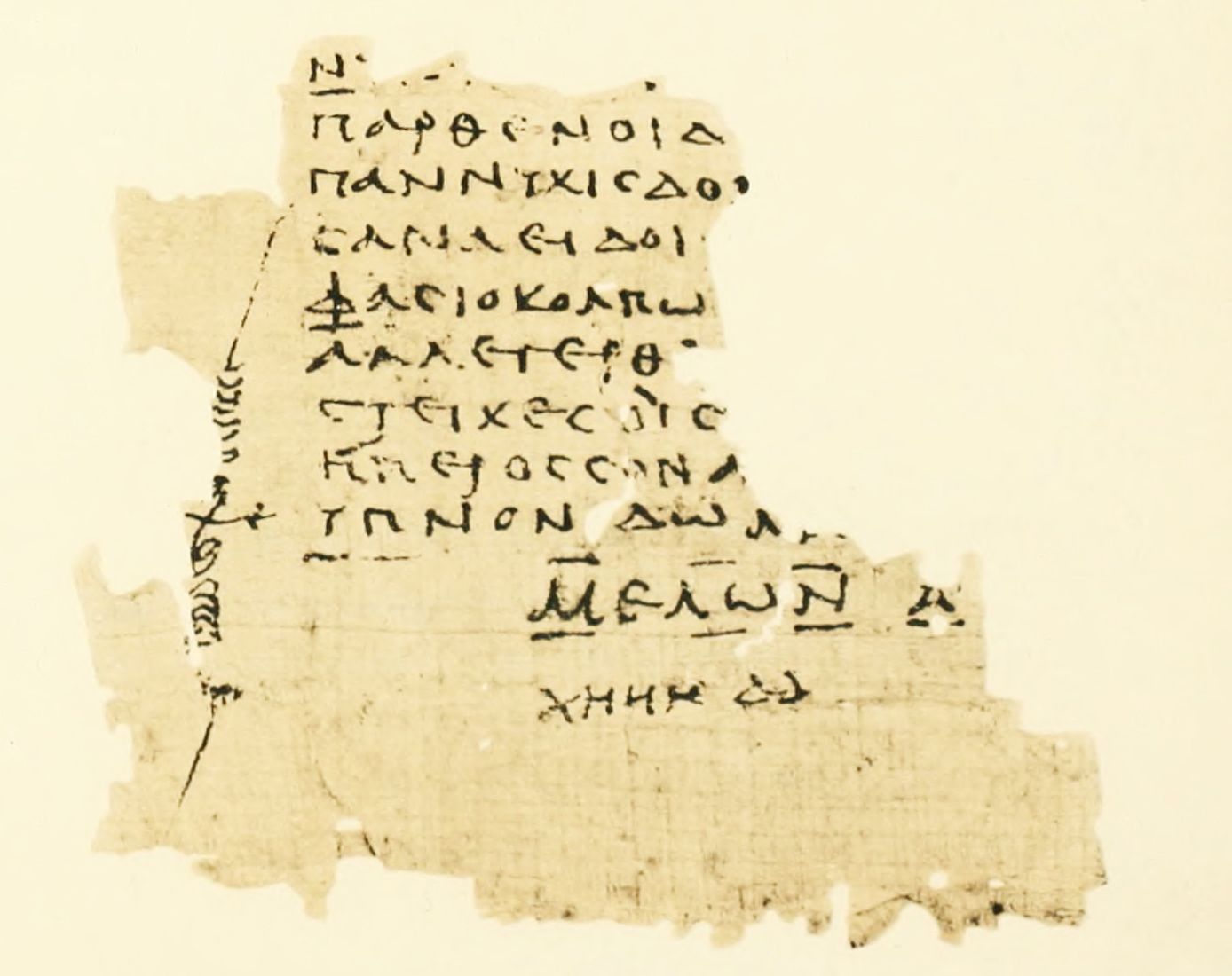
 Papyrus Oxyrhynchus 1231, Fragment of Sappho's lyric (c. 630 - c. 570 BCE)


Monday, November 3, 2025

Friends (1)


These Punjabi translations of the Danish poet, Erik Stinus, were first published by Sukhbir in Aarsee (August 1964). At this time, Sukhbir was living in Bombay. He had already published four novels and was active in the coffee house circles of Punjabi pragativadis (progressives). Meanwhile, in Denmark, Stinus was busy exhibiting, publishing, and selling the artworks of Chittaprosad Bhattacharya, who, by now, had left the communist circles of Bengal and was living in Bombay. Did Sukhbir ever meet Chittaprosad?  


When Chittaprosad sent Erik a linocut, After the rains (1966-67), Erik printed it along with a poem written by himself. Images courtesy Delhi Art Gallery.


Monocolor postcard (set of five) printed in Denmark, 4 x 5.4 inches. Images courtesy Delhi Art Gallery. 
As with much of Chittaprosad's work produced after the Second World War, these postcards, too, are intriguing specimens of his "late style." They share, for instance, little with his canonical works published in People's War. These prints don't salute the agitated muscular bodies of peasants and workers raring to smash the colonial state. Nor do they "expose" -- in the classical Leninist sense -- the bony viscera of hungry subalterns dying in colonial famines. 
These postcards are quieter, more romantic, frankly even idyllic. What explains Chittaprosad's turn towards an instinctual, leisurely humanism? In one sense, the transition was likely precipitated by the adoption of the "Ranadive thesis" by Indian communists. In their bid to achieve true national independence, the Communist Party of India initiated a series of armed insurrections in 1948. The strategy ended in disaster. As with other, although admittedly younger, leftist artists of his generation, Chittaprosad, too, grew increasingly disenchanted. And not just with the communists, but also with the emerging art markets. The likes of Somnath Hore, Chittaprosad's protege during the Bengal famine, could still rehabilitate themselves, howsoever haltingly and painfully, as "professional artists" in the new academic institutions. But Chittaprosad was increasingly stranded. (I wrote about Hore's Tebhaga Diaries for The Caravan a few years ago. Simone Wille has written a moving essay on Chittaprosad's Czech connections. I am especially intrigued by the tensions between Chittaprosad and M.F. Husain). Even so, Chittaprosad remained affiliated with the Soviet-sponsored World Peace Movement. 


How shall we understand this folksy harmony of Chittaprosad's late style? Did these new prints simply mark a retreat from organized politics? Or did they offer Chittaprosad a refuge from the traumas of communist failure, a shelter where he could finally let loose his playful, and maybe pent-up, aesthetic energies? I use the words "shelter" and "playful" advisedly. In the early 1950s, Chittaprosad even set up Khelaghar (lit. Playhouse), a puppet theater for his neighborhood kids in Bombay. Or were these later works more ambitious? Did their exaggerated artisanal quality of signal -- or perhaps, in their limited capacity as art, even realize -- the utopian ideals of use-value, which Chittaprosad's comrades, in their bid to blindly instrumentalize art, had all but forgotten? What was it that Walter Benjamin had said about play? Yes, "Toy is hand tool — not artwork." 
It is always difficult to answer such questions. These knots of art and politics demand patience. I want to unravel them. I know that I, too, am tangled in these knots. These burdens are mine too. Is your art not political enough? Is your art too political? Who's to say? I feel, but, anxious at the prospect of stillness. To sit down and think about art and politics. Is it the shame of sitting down that worries me? Is it the suspicion that to sit down is to already become ignorant, to be already left behind? I want to sit down and think. And yet. Remember how, in one of Amiri Baraka's poems -- I think it's titled "Political Poem" -- the telephone rings and he gets up to answer it? And then, in the parenthesis, he promptly announces, "the poem is undone"? It's something like that. We always get pulled away. Always, and always too soon. History calls, and how could we ever refuse its call? 
While Stinus was distributing Chittaprosad's later works in Scandinavia, a new generation of Mao-inspired Naxalites was readying to revive, once again, the forgotten dreams of a true national independence in India.  


An aerogram sent by Amarjit Chandan from London to Sati Kumar in Stockholm (1991). Image courtesy Chandan. 

The correspondence between the Punjabi poets, Amarjit Chandan and Sati Kumar, could properly resume only after the end of the Cold War. By 1968, Chandan, who was born in Nairobi, had become a leading Naxalite poet and editor in Punjab. From the crumpled lump of his cyclostyled literary rag, Dastavez (Document) -- not a single copy survives now -- an entire school of poetry had germinated: jujharvad (lit. of resistance). The magazine was banned. And the sarkar declared a princely sum of 5,000 rupees on Chandan's head. In the same year, Sati Kumar, a youthful prayogvadi (experimentalist), departed for Bulgaria on a sarkari fellowship, before settling down in Sweden six years later. 

Like many of his comrades, Chandan, too, was imprisoned in Amritsar. As if solitary confinement could teach anyone how to untie these knots of art and politics. Chandan's numerous translations from the period -- Darwish, Brecht, Neruda, Neto -- also included a poem, "Nelson Mandela," originally composed in English by Sara Mathai Stinus (Erik's wife). Sara, who, by now, was teaching ethnography at the University of Copenhagen, had given a typescript of "Nelson Mandela" to Sukhbir. They had been colleagues at some college in Bombay. Was it the Wilson College? How did this typescript migrate from Bombay to Punjab?    

After the dreams of a true national independence were crushed once again, it was now time for Chandan, the Naxalite, to make his move. He fled to Europe: first Hamburg, then London. During his time in Sofia, Sati Kumar had translated key excerpts of the ancient Indian epics into Bulgarian. In Stockholm, he had edited several anthologies of Swedish poetry in translation. Arriving in England, Chandan became a close friend of the novelist and art critic, John Berger, who, meanwhile, had only recently left London, and had, instead, migrated,  to rural Quincy (France) to study the ongoing migrations of European peasants.  


Postscript: 

" . . . of friendship to come and friendship for the future. For to love friendship, it is not enough to know how to bear the other in mourning; one must love the future." (Jacques Derrida, The Politics of Friendship, 29).


Friday, August 8, 2025

निर्मल वर्मा (1973): बच्चे, माँएँ, कॉर्नफ्लेक्स

Andy Warhol, Kellogg's Cornflakes, Sculpture (silkscreen painted wood)


     ग़रीबी और दरिद्रता में गहरा अन्तर है। भारत लौटने पर जो चीज़ सबसे तीखे ढंग से आँखों में चुभती है, वह ग़रीबी नहीं (ग़रीबी पश्चिम में भी है), बल्कि सुसंकृत वर्ग की दरिद्रता। एक अजीब छिछोरापन, जिसका ग़रीबी के आत्मसम्मान से दूर का भी रिश्ता नहीं।

    शायद यह एक कारण है कि भारतीय सिनेमाघरों में फ़िल्म शुरू होने से पहले विज्ञापनों की जो 'कॉमर्शियल' फ़िल्में दिखाई जाती हैं, उन्हें देखकर अँधेरे हॉल में भी शर्म से मेरा मुँह लाल हो जाता है। स्वस्थ, चिकने-चुपड़े बच्चों को मुस्कराती हुई माँएँ जिस अदा से कॉर्नफ़्लेक्स देती हैं, वह न जाने क्यों मुझे असह्य जान पड़ता है। मुझे तीनों ही 'चीज़ें' अश्लील जान पड़ती हैं— बच्चे, माँएँ, कॉर्नफ्लेक्स। यूरोप में मुझे अनेक 'ब्लू फ़िल्में ' देखने का मौक़ा मिला है, किन्तु शायद ही अश्लीलता का इतना नंगा बोध पहले कभी हुआ हो। न जाने क्यों इन फ़िल्मों को देखने के बाद मैं तगड़े, 'तेजवान' बच्चों को बर्दाश्त नहीं कर सकता। उनकी माँओं को तो बिलकुल नहीं।

    शुरू-शुरू में एकदम लौटने के बाद मुझे अपनी यह खीज अस्वाभाविक, कुछ-कुछ 'एब्नॉर्मल' जान पड़ी थी। अब मैं धुँधले ढंग से इसका कारण समझने लगा हूँ। सड़क और सिनेमाघर की दुनियाओं के बीच जो अन्तराल हमारे देश में है, वह अन्यत्र कहीं नहीं। स्कूल से लौटते हुए भूखे-प्यासे बच्चे घंटों बसों की प्रतीक्षा में खड़े रहते हैं। चिलचिलाती धूप में उनके सूखे बदहवास चेहरे एक तरफ़, सिनेमा की फ़िल्मों में कॉर्नफ़्लेक्स खाते चिकने चमचमाते चेहरे दूसरी तरफ़। इन दोनों के बीच तालमेल बिठाना मुझे असम्भव लगता रहा है। कोई चीज़ अपने में 'अश्लील' नहीं होती, एक ख़ास परिवेश में अवश्य अश्लील हो जाती है। चेकोस्लोवाकिया के बाद किसी रूसी नेता के मुँह से क्रान्ति की बात उतनी ही अश्लील जान पड़ती है, जितनी एक ऐसे भारतीय मंत्री के मुँह से समाजवाद की प्रशंसा, जो इनकम टैक्स देना भूल गए हों।

    यह अन्तराल हर देश में है, किन्तु हमारे यहाँ वह एक सुरियलिस्ट स्वप्न की अद्भुत फैंटेसी-सा दिखाई देता है। शायद यही कारण है, जब से मैं लौटा हूँ, सुबह का अख़बार छूते हुए घबराता हूँ। जो कुछ 'ऊपर' हो रहा है, उसका आस-पास की दैनिक दुनिया से कोई सम्बन्ध नहीं। यह एक विचित्र मायावी दुनिया है; दफ़्तर के कमरों के आगे बैठे ध्यानावस्थित धूनी रमाए चपरासी, काम छोड़कर दोपहर का 'शो' देखनेवाले क्लर्क, नीरो को मात देते हुए व्यंग्य- हास्य कविताएँ लिखनेवाले साहित्यकार, आस-पास के बाज़ारूपन से निरासक्त, किन्तु साहित्य में बढ़ती हुई अश्लीलता से उत्तेजित होनेवाले बुद्धिजीवीये सब स्वस्थ, शिक्षित आधुनिक लोग हैं। हमें इन पर गर्व है—होना भी चाहिए। कौन आधुनिक माँ कॉर्नफ़्लेक्स खाते हुए अपने सजीले बच्चे पर गर्व न करेगी?

निर्मल वर्मा, बीच बहस में (1973), 15-16 

Thursday, July 17, 2025

ਦਸਤਾਵੇਜ਼ 1 : ਮਜ਼੍ਹਬੀ-ਰਵਿਦਾਸੀਆਂ ਦੇ ਵਿਹੜਿਆਂ 'ਚ ਇੱਕ ਵਿਆਹ (1977)

http://

    ਕਿੰਤੂ, ਨਵੰਬਰ 1977 

    ਮੰਡੀ ਕਲਾਂ—ਸੀ ਤਾਂ ਵਿਆਹ— ਪਰ ਬਿਲਕੁਲ ਹੀ ਕਾਵਿਕ ਤਰਜ਼ ਦਾ, ਜਿਵੇਂ ਕਿਸੇ ਸਾਹਿਤਕ ਸੰਮੇਲਨ ਤੇ ਇਕੱਠੇ ਹੋਏ ਹੋਈਏ। ਹੰਢ ਚੁੱਕੀਆਂ ਕਦਰਾਂ-ਕੀਮਤਾਂ, ਬੋਦੇ ਰਸਮਾਂ ਰਿਵਾਜਾਂ ਨੂੰ ਭਰਪੂਰ ਚਣੌਤੀ । ਸਾਜ਼ਾਂ ਦੀ ਟੁਣਕਾਰ ਨਾਲ ਪੇਂਡੂ ਤਰਜ਼ ਦੀਆਂ ਕਲੀਆਂ ਅਤੇ ਵਾਰਾਂ—"ਇਹ ਜੋ ਜਾਲ ਹੈ ਤਾਣਿਆ ਮਾਇਆਧਾਰੀ ਠੱਗਾਂ ਨੇ, ਇਕ ਦਿਨ ਇਕੱਠੇ ਹੋ ਕੇ ਸਾਨੂੰ ਪਊ ਜਲਾਉਣਾ", ਤੇ ਸੰਤ ਰਾਮ ਉਦਾਸੀ ਵਲੋਂ ਗਾਏ ਗੀਤ—"ਛੇਤੀ ਛੇਤੀ ਡੋਲੀ ਮੇਰੀ ਤੋਰਦੇ ਤੂੰ ਬਾਬਲਾ ਵੇ ਕਿਹੜੀ ਗੱਲੋਂ ਰਿਹਾ ਏ ਤੂੰ ਝੂਰ, ਜਿਵੇਂ ਸਾਡਾ ਸਾਰਿਆਂ ਦਾ ਢਿੱਡ ਰੋਟੀ ਮੰਗਦਾ ਵੇ ਮਾਂਗ ਮੇਰੀ ਮੰਗਦੀ ਸੰਧੂਰ"—ਨਾਲ ਇਸ ਪ੍ਰੋਗਰਾਮ ਦਾ ਆਗਾਜ਼ ਹੋਇਆ। ਬੇ-ਜ਼ਮੀਨੇ ਕਿਸਾਨਾਂ ਦੇ, ਕਿਰਤੀ ਸਮਾਜ ਦੇ ਥੰਮ੍ਹ ਮਜ਼੍ਹਬੀ—ਰਵਿਦਾਸੀਆਂ ਦੇ ਵਿਹੜਿਆਂ ਵਿਚ ਇਕ ਅਹਿਮ ਵਰਤਾਰਾ ਸੀ, ਜਦੋਂ ਫੁਲਾਂ ਦੇ ਹਾਰਾਂ ਨਾਲ ਲੱਦੀ ਜੋੜੀ ਕੁਰਸੀਆਂ ਉਤੇ ਸਸ਼ੋਭਤ ਸੀ ਅਤੇ ਪੰਡਾਲ ਵਿਚ ਤਿੰਨ ਸੌ ਦੇ ਲਗਭਗ ਮਰਦ, ਔਰਤਾਂ ਅਤੇ ਬੱਚਿਆਂ ਦਾ ਸਮੂਹ ਸ਼ਾਂਤ ਬੈਠਾ ਪ੍ਰੋਗਰਾਮ ਦੀ ਰੌਣਕ ਵਿਚ ਅੰਤਾਂ ਦਾ ਵਾਧਾ ਕਰ ਰਿਹਾ ਸੀ । 

    ਇਸ ਪ੍ਰੋਗਰਾਮ ਦੀ ਇਕ ਹੋਰ ਖਾਸੀਅਤ ਇਹ ਸੀ ਕਿ ਦੋਹਾਂ (ਮਜ਼੍ਹਬੀ-ਰਵਿਦਾਸੀਆਂ) ਅਗਵਾੜਾਂ ਦੀਆਂ ਔਰਤਾਂ—ਕੁੜੀਆਂ ਲੰਗਰ ਦੀ ਤਿਆਰੀ ਕਰਦੀਆਂ ਸਨ, ਜੋ ਇਸ ਪਿੰਡ ਵਿਚ ਰਵਿਦਾਸੀਆਂ ਦੀ ਅਚੇਤ ਰੂਪ ਉਚਤਾ ਨੂੰ ਨਵਿਆ ਕੇ ਭਰੱਪਣ ਦਾ ਨਮੂਨਾ ਪੇਸ਼ ਕਰਨ ਦੀ ਮਿਸਾਲ ਸੀ ।

    ਗੱਲ ਸ਼ੁਰੂ ਹੋਈ ਵਿਗਿਆਨਕ ਯੁਗ ਅਤੇ ਰੂੜੀਵਾਦੀ ਸੰਸਾਰ ਦੇ ਟਕਰਾ ਤੋਂ ਕਿ ਕਿਵੇਂ ਅੱਜ ਵਿਆਹ ਨੂੰ ਨਵੀਆਂ ਲੀਹਾਂ 'ਤੇ ਪਾਉਣ ਦੀ ਮੁੱਖ ਲੋੜ ਬਣੀ ਹੋਈ ਹੈ ਜੋ ਚੇਤੰਨ ਵਰਗ ਲਈ ਜੋਖੋਂ ਦਾ ਕੰਮ ਹੈ । ਦਾਜ ਦਹੇਜ ਅਤੇ ਲਮਕਵੀਆਂ ਰਸਮਾਂ ਦੀ ਪੇਚੀਦਗੀ ਤੋਂ ਨਵੀਨ ਸੋਚ ਤੋਂ ਪ੍ਰਣਾਇਆ ਵਰਗ ਛਪਟਾਉਂਦਾ ਹੈ ਅਤੇ ਟਕਰਾ ਦੀਆਂ ਹਾਲਤਾਂ ਵਿਚ ਆਉਣ ਲਈ ਮਜ਼ਬੂਰ ਹੈ ਪਰ ਅਜਿਹੇ ਟਕਰਾ ਦੀਆਂ ਸਥਿਤੀਆਂ ਵਿਚ 'ਕੱਲੇ ਦੁਕੱਲੇ ਵਿਅਕਤੀ ਲਈ ਖੜੋਣਾ ਅਤਿ ਗੰਭੀਰਤਾ ਅਤੇ ਔਖ ਵਾਲਾ ਮਸਲਾ ਹੈ। ਸੋਚ ਦੀ ਪੱਧਰ 'ਤੇ ਤਾਂ ਨਵੀਨ ਵਿਚਾਰਾਂ ਦੀ, ਪੁਰਾਣੀ ਸੋਚ ਦੇ ਬੰਦੇ ਵੀ ਹਮਾਇਤ ਕਰ ਦੇਣਗੇ, ਪਰ ਅਮਲ ਵਿਚ ਪੈਂਦਿਆਂ ਪੈਰ ਪਿਛਾਂਹ ਨੂੰ ਘੜੀਸਣਾ ਉਹਨਾਂ ਦੀ 'ਸਿਆਣਪ' ਮੰਨਿਆ ਜਾਂਦਾ ਹੈ!—ਕਿਉਂਕਿ ਤੋਨੀ ਵਾਲੇ ਬਲਦ ਵਾਂਗ ਉਹ ਆਪਣੇ ਕਦਮਾਂ ਵਿਚ ਪ੍ਰਾਲੱਭਤ ਦਾ ਵੱਡਾ ਹਿੱਸਾ ਸਮਝਦੇ ਹਨ । 

    ਗੱਲ ਤਾਂ ਆਪਣੇ ਘਰੋਂ ਹੀ ਤੋਰਨੀ ਪਏਗੀ – ਕਦ ਤਕ ਅਸੀਂ ਦੂਜਿਆਂ ਦੀ ਬਸੰਤਰ ਸੇਕਣ ਦੀ ਦੁਰਗਤ ਵਿਚ ਰਹਿ ਸਕਾਂਗੇ ਤੇ ਫੇਰ ਏਸ ਪ੍ਰੋਗਰਾਮ ਨੂੰ ਨੇਪਰੇ ਚੜਾਉਣ ਲਈ, ਪ੍ਰਵਾਰ ਦੇ ਜੀਆਂ ਦੀ ਪਾਲਾਬੰਦੀ ਨੂੰ ਨਰਮ ਕਰਨ ਲਈ, ਕਿਸੇ ਨੂੰ ਨਿਖੇੜਨ, ਕਿਸੇ ਨੂੰ ਚੁੱਪ ਕਰਾਉਣ ਤੇ ਕਿਸੇ ਨੂੰ ਜਿੱਤ ਦੇ ਪੱਖ ਵਿਚ ਕਰਨ ਲਈ ਮਹਿੰ ਸੁਆਉਣ ਜਿੰਨਾ ਜ਼ੋਰ ਲਗਣਾ ਗੈਰ-ਕੁਦਰਤੀ ਨਹੀਂ ਸੀ—ਤਾਂ ਵੀ ਇਹ ਸਭ ਕੁਝ ਚੇਤੰਨ ਵਰਗ ਦੇ ਇਕ ਜੁੱਟ ਹੋਣ ਅਤੇ ਸਾਡੇ ਪਿਛੇ ਠੋਸ ਹਮਾਇਤ ਅਤੇ ਪੈਰਾਂ ਹੇਠ ਠੋਸ ਅਧਾਰ ਸਦਕਾ ਹੀ ਇੱਡੀ ਵੱਡੀ ਸਫਲਤਾ ਦੀ ਗਰੰਟੀ ਹੋ ਸਕੀ ਜਦੋਂ ਕਿ ਕੁਝ ਕੁ "ਨਵ-ਕ੍ਰਾਂਤੀਵਾਦੀਆਂ" ਨੇ ਸਾਡੇ ਘਰ ਵਿਚ ਫੁਟ ਪਾਉਣ ਲਈ ਅੱਡੀ ਚੋਟੀ ਦਾ ਜ਼ੋਰ ਲਾਇਆ।

    ਭੂਪਵਾਦੀ ਅਤੇ ਪੂੰਜੀਵਾਦੀ ਕਦਰਾਂ ਵਿਚਕਾਰ ਲਟਕਦੇ ਮਾਪਿਆਂ ਨੂੰ ਭਾਵੇਂ ਪੰਜਾਹ ਸਾਲ ਅਗੇ ਦਾ ਕਦਮ ਪ੍ਰਵਾਨ ਕਰਨਾ ਸੌਖਾ ਨਹੀਂ ਹੁੰਦਾ, ਫਿਰ ਵੀ ਸਤਿਕਾਰ ਯੋਗ ਬਜ਼ੁਰਗ ਸ: ਮਹਿੰਦਰ ਸਿੰਘ (ਨਿਵਾਸੀ ਚਚੋਹਰ ਤਹਿਸੀਲ ਮਾਨਸਾ ਰੱਖਾ ਸਿੰਘ ਵਿਆਦ੍ਰੜ ਦਾ ਬਾਪ) ਦਾ ਹਾਥੀ ਜੇਡਾ ਜ਼ੇਰਾ ਜਿਸ ਨੇ ਹਰ ਮੰਗ ਨੂੰ ਹੱਸ ਕੇ ਪ੍ਰਵਾਨ ਕੀਤਾ ਅਤੇ ਪੁੱਤਾਂ ਵਾਲਿਆਂ ਦੀ ਪ੍ਰਚੱਲਤ ਮਰਿਆਦਾ ਤੋਂ ਉਲਟ ਲੈਣ-ਦੇਣ ਨੂੰ ਠੁਕਰਾ ਦਿਤਾ ਅਤੇ ਜੱਟਾਂ ਦੀਆਂ ਖੁਰਲੀਆਂ ਵਿਚ ਹੱਥ ਮਾਰਨ ਵਾਲੇ ਉਸ ਮਹਾਨ ਕਿਰਤੀ ਸਿੱਖ ਨੇ ਪੁੱਤ ਦੇ ਬਰਾਬਰ ਦੀ ਕੁਰਸੀ ਸਵੀਕਾਰ ਕਰ ਲਈ। ਧਾਰਮਕ ਰੀਤ ਦੀ ਅਣਹੋਂਦ ਤੋਂ ਖਿਝਿਆ ਲੜਕੀ (ਮਹਿੰਦਰ ਕੌਰ) ਦਾ ਬਾਪ ਜਥੇਦਾਰ ਬਖਤੌਰ ਸਿੰਘ ਭੀੜ 'ਚੋਂ ਉਠ ਕੇ ਕੁੜੀ ਦੇ ਖੱਬੇ ਡਾਹੀ ਕੁਰਸੀ ਤੇ ਬੈਠਣ ਦਾ ਹੀਆ ਨਾ ਕਰ ਸਕਿਆ। ਭੁੱਚੋਂ ਕਲਾਂ ਦੇ ਰੱਜੇ ਪੁੱਜੇ ਜੱਟ ਸ: ਲਾਭ ਸਿੰਘ ਕਲਾਰ ਦੇ ਪਿਤਾ ਦੀ ਥਾਂ ਪ੍ਰਾਪਤ ਕੀਤੀ; ਜੋ ਸਮੁੱਚੇ ਪ੍ਰਵਾਰ ਸਮੇਤ ਹਾਜ਼ਰ ਹੋਇਆ ਸੀ। (ਇਸੇ ਹੀ ਲਾਭ ਸਿੰਘ ਦੇ ਪ੍ਰਵਾਰ ਵਿਚ ਅਤਰਜੀਤ ਐਮਰਜੈਂਸੀ ਦੌਰਾਨ ਗ੍ਰਿਫਤਾਰੀ ਤੋਂ ਪਹਿਲਾਂ ਰਹਿੰਦਾ ਰਿਹਾ ਸੀ ਅਤੇ ਬਾਅਦ ਵਿਚ ਜੇ.ਬੀ ਟੀ. ਕਰਦੇ ਸਮੇਂ ਮਹਿੰਦਰ ਇਸੇ ਪ੍ਰਵਾਰ ਦੀ ਬੇਟੀ ਬਣ ਕੇ ਰਹੀ ਸੀ) ਸ਼ਾਇਦ ਕੁੜੀ ਦੇ ਪਿਤਾ ਦੇ ਚਿੱਤ ਵਿਚ ਪ੍ਰਵਾਰ ਦੀ ਪਿਓ ਦਾਦੇ ਦੀ ਸਾਂਭ ਕੇ ਰੱਖੀ ਸਿੱਖੀ ਦੀ ਜੱਖਣਾ ਖੋਈ ਜਾ ਰਹੀ ਸੀ। ਇਹ ਵੀ ਅਗਾਂਹ-ਵਧੂ ਰਸਮ ਅਤੇ ਰੂੜੀਵਾਦ ਦਾ ਭੇੜ ਜੋ ਚੁੱਪ ਮਹੌਲ 'ਚੋਂ ਵੀ ਦ੍ਰਿਸ਼ਟੀਗੋਚਰ ਹੋ ਰਿਹਾ ਸੀ।

    ਅਤਰਜੀਤ ਨੇ ਵਿਆਹ ਦੀ ਇਤਿਹਾਸਕ ਪ੍ਰਚਾਰਵਾਦੀ ਨਜ਼ਰੀਏ ਨਾਲ ਵਿਆਖਿਆ ਕੀਤੀ ਅਤੇ ਗੁਰਬਾਣੀ ਦੇ ਆਪਣੇ ਯੁੱਗ ਅਗਾਂਹ-ਵਧੂ ਖਾਸੇ ਤੇ ਚਾਨਣਾ ਪਉਂਦਿਆਂ ਮਾਇਆ ਦੇ ਪਰਦੇ ਓਹਲੇ ਹਰ ਰਸਮ ਕਰਦੇ ਪੁਜਾਰੀਆਂ ਦੀ ਲਾਲਚੀ ਨੀਅਤ ਤੋਂ ਤਰਕ ਕਰਦਿਆਂ ਗੁਰੂ ਗਰੰਥ ਨੂੰ ਕਮਾਈ ਦਾ ਸਾਧਨ ਬਣਾਉਣਾ ਯੋਗ ਨਾ ਸਮਝਿਆ ਸਿੱਧੀ ਸਾਦੀ ਰਸਮ ਤੇ ਜ਼ੋਰ ਦਿੱਤਾ। ਸਿੱਖ ਜਗਤ ਨੂੰ ਇਸ ਸਿੱਧੀ-ਸਾਦੀ, ਦਾਜ-ਦਹੇਜ ਰਹਿਤ ਮਰਿਆਦਾ ਦਾ ਅੱਜ ਕੋਈ ਮਾਣ ਪ੍ਰਾਪਤ ਨਹੀਂ, ਕਿਉਂਕਿ ਲਾਵਾਂ ਤੋਂ ਤੁਰੰਤ ਬਾਅਦ ਹੀ ਦਾਜ ਦਹੇਜ ਦੇ ਛੱਜ, ਗਹਿਣੇ, ਲੀੜੇਲੱਤੇ ਆਦਿ ਦੇ ਢੇਰ ਆ ਹਾਜ਼ਰ ਹੁੰਦੇ ਹਨ। ਇਕ ਵੀ ਗਰੰਥੀ ਇਹ ਵਿਰੋਧ ਨਹੀਂ ਕਰਦਾ ਕਿ ਜੋ ਮਾਪੇ ਗੁਰਮਰਿਆਦਾ ਤੋਂ ਉਲਟ ਕਾਰਜ ਕਰਨਗੇ ਉਹ ਉਥੇ ਲਾਵਾਂ ਨਹੀਂ ਪੜ੍ਹਨਗੇ ਭਾਵ ਗੁਰ-ਮਰਿਆਦਾ ਉਰੇ ਪਰੇ ਵਿਚ ਹੀ ਗਾਇਬ ਕਰ ਦਿਤੀ ਜਾਂਦੀ ਹੈ। ਇਸ ਤਰ੍ਹਾਂ ਮਾਇਆਧਾਰੀ ਅੰਨ੍ਹੇ ਬੋਲੇ ਠੱਗਾਂ ਦੀ ਹੀ ਜੈ ਜੈਕਾਰ ਹੋਣ ਦੀਆਂ ਸ਼ੇਖੀਆਂ ਵਿਚ ਕਾਰਜ ਸਿਰੇ ਚੜ੍ਹਦੇ ਹਨ।

    ਸੰਤ ਰਾਮ ਉਦਾਸੀ ਨੇ ਆਪਣੇ ਭਾਸ਼ਨ ਵਿਚ ਗੁਰਬਾਣੀ ਵਿਚੋਂ ਹੀ ਟੂਕਾਂ ਸੁਣਾ ਸੁਣਾ ਕੇ ਪ੍ਰਚੱਲਤ ਰਸਮ ਦੀਆਂ ਕਮਜ਼ੋਰੀਆਂ 'ਤੇ ਉਂਗਲ ਰੱਖੀ। ਉਸ ਦੇ ਭਾਸ਼ਨ ਤੋਂ ਹਰ ਕੋਈ ਖਾਸ ਕਰ ਧਰਮ ਵਿਸ਼ਵਾਸ਼ੀ ਲੋਕ ਬਹੁਤ ਪ੍ਰਭਾਵਤ ਹੋਏ ।

    ਜਦ ਮੁੰਡੇ ਕੁੜੀ ਨੇ ਇਕ ਦੂਜੇ ਦੇ ਗਲਾਂ ਵਿਚ ਹਾਰ ਪਾਏ ਅਤੇ ਪਿਛੋਂ ਬਜ਼ੁਰਗਾਂ ਨੇ ਜੋੜੀ ਦੇ ਗਲੀਂ ਵਾਰੀ ਵਾਰੀ ਹਾਰ ਪਾ ਕੇ ਅਸ਼ੀਰਵਾਦ ਦਿਤੀ ਤਾਂ ਕਿਸੇ ਵੱਡੇ ਸਮਾਗਮ ਦਾ ਦ੍ਰਿਸ਼ ਪੇਸ਼ ਹੋ ਰਿਹਾ ਸੀ। ਸਾਰਾ ਚੁਗਿਰਦਾ ਕਾਵਿਕ ਤੇ ਸੰਗੀਤਕ ਹੋ ਗਿਆ ਸੀ। ਰਸਮ ਤੋਂ ਪਹਿਲਾਂ ਪੇਸ਼ ਕੀਤੇ ਗਏ ਸਭਿਆਚਾਰਕ ਪ੍ਰੋਗਰਾਮ ਵਿਚ ਸੰਤ ਰਾਮ ਉਦਾਸੀ ਨੇ "ਮਾਂ ਧਰਤੀਏ ਤੇਰੀ ਗੋਦ ਨੂੰ, ਚੰਨ ਹੋਰ ਬਥੇਰੇ—ਤੂੰ ਮਘਦਾ ਰਹੀਂ ਵੇ ਸੂਰਜਾ ਕੰਮੀਆਂ ਦੇ ਵਿਹੜੇ" ਗੀਤ ਗਾ ਕੇ ਸਮਾਪਤ ਕੀਤਾ ।

    ਫਿਰ ਬਾਕਾਇਦਾ ਦਾਜ ਦਹੇਜ ਦੇਣ ਦੀ ਰਸਮ ਬੜੀ ਹੀ ਸ਼ਾਨ ਸ਼ੌਕਤ ਨਾਲ ਅਦਾ ਕੀਤੀ ਗਈ। ਅਤਰਜੀਤ ਨੇ ਭੈਣ ਨੂੰ ਮੌਕਸਿਮ ਗੋਰਕੀ ਦਾ ਸੰਸਾਰ ਪ੍ਰਸਿੱਧ ਨਾਵਲ (ਮਾਂ) ਅਤੇ ਰੱਖਾ ਸਿੰਘ (ਵਿਆਦੜ) ਨੂੰ ਬੋਰਿਸ ਪੋਲੀੜਾਈ ਦਾ ਸੰਸਾਰ ਪ੍ਰਸਿੱਧ ਨਾਵਲ 'ਅਸਲੀ ਇਨਸਾਨ ਦੀ ਕਹਾਣੀ', ਮਾਸਟਰ ਭਗਵਾਨ ਦਾਸ ਵਲੋਂ ਵੀ 'ਮਾਂ' ਨਾਵਲ, ਸੰਤ ਰਾਮ ਉਦਾਸੀ ਨੇ ਅਦਾਰਾ 'ਕਿੰਤੂ' ਤਪਾ ਵਲੋਂ ਕਿੰਤੂ ਦੀ ਇਕ ਕਾਪੀ, ਪ੍ਰੋ: ਸਤਿਬੀਰ ਨੇ ਤਾਲਸਤਾਏ ਦੀਆਂ ਕਹਾਣੀਆਂ ਦੀ ਪੁਸਤਕ ਭੇਟ ਕੀਤੀ ।

    ਰਸਮ ਸਮਾਪਤ ਹੁੰਦਿਆਂ ਸਾਹਿਤਕ ਮਿਲਣੀਆਂ ਵਰਗਾ ਮਹੌਲ ਪੈਦਾ ਹੋ ਗਿਆ ਸੀ। ਅੰਤ ਵਿਚ ਅਜਿਹੀਆਂ ਰਸਮਾਂ ਨੂੰ ਮਜ਼ਬੂਤੀ ਨਾਲ ਅਗੇ ਤੋਰਨ ਦੀ ਪ੍ਰੇਰਨਾ ਨਾਲ ਇਸ ਸਮਾਗਮ ਦੀ ਸਮਾਪਤੀ ਹੋਈ ।

Monday, July 14, 2025